
Reachable burst: $200–$500
Garden, garage or open wall access, cut out and repaired at daytime rates.
A burst announces itself somewhere convenient, a ceiling stain, a soggy lawn, and hides somewhere else entirely. We isolate the water, trace the line to the actual failure, and replace the broken section properly. Then it holds a mains-pressure test before a single surface closes. Balmain East and the Inner West, day or night.
The pipe generations tell the story. Balmain East’s older housing carries mid-century copper that pinholes from the inside as decades of water chemistry thin the wall; galvanised steel that rusts at every thread until a fitting surrenders; and somewhere in most renovated homes, a junction where three eras of pipework meet, original metal, nineties plastics, modern PEX, each joint a small bet that has to keep paying off. High mains pressure across parts of the Inner West collects on those bets eventually.
What makes bursts genuinely tricky is that water lies about its address. It tracks along pipe exteriors, rides joists and wall plates, and surfaces downhill: a stain in the lounge from a split above the laundry. Open the ceiling at the stain and you find wet plaster and no pipe. So we do not guess: the line gets traced back to the actual failure, the failed section comes out, and the repair is pressure-tested against the mains before a single sheet of plaster goes back.


Balmain East’s original terraces still run earthenware pipework laid over a century ago, and cracked joints in that old clay are a leading cause of blockages here.
Most heritage-era houses are a layered record of every plumber who has worked on them: original galvanised in the untouched parts, copper from a seventies bathroom, and modern pex from whatever was done last.
That matters because a burst tells you about one section, not the house. We will say which era failed and whether the rest of that era is still in service, which is the difference between a repair and an informed decision about the next five years.
The peninsula’s steep run down to the harbour sends heavy-rain runoff surging through stormwater pits that choke and back up.
Mains pressure varies with elevation, and properties low on a slope frequently sit at the high end of the range. Higher standing pressure shortens the life of every fitting in the house, particularly flexible hoses under sinks and behind toilets.
If you are at the bottom of a hill and you have had more than one fitting let go, a pressure test is worth doing. A pressure-limiting valve is a small part that prevents an expensive category of failure.
A cracked earthenware line under the yard can lose water into the ground indefinitely without a single visible symptom. The soil takes it, the grass over it looks slightly better than the rest, and nothing backs up because the line still flows.
The damage is not the lost water, it is what saturated ground does to footings and to the bedding under the pipe itself. A line leaking into its own trench undermines its own support, which is how a crack becomes a sag and then a collapse.
Balmain East sits right at the tip of the Balmain peninsula (postcode 2041), a harbourside pocket of Victorian terraces and converted warehouses stepping down steep streets to the ferry wharf. Bordering Balmain and looking across the water to the city, its ageing drainage sees everything, and we know the local ground well.
Homes plumbed before the 1960s were run in galvanised steel, which corrodes from the inside out. The wall thins invisibly for decades while the bore narrows with rust, so the first symptom is usually poor pressure rather than a leak.
When it finally goes, it goes at the thinnest point rather than the most convenient one. If your pressure has been declining and the water runs brown after the house has sat empty, that is the pipe telling you what it is made of.
On sloping ground water leaves a failed pipe and travels, following the easiest path under the surface until something stops it. It can emerge metres downhill, in a neighbour's yard, or against a retaining wall.
So digging where the water appears is usually digging in the wrong place. Correlation and acoustic equipment work uphill from the symptom, which on a steep block routinely saves several metres of unnecessary excavation.
Garden, garage or open wall access, cut out and repaired at daytime rates.
Wall and ceiling repairs, including the tracing that keeps the access hole singular and small.
Locating gear plus concrete or excavation access: or a smarter reroute around the lot.
Roughly $180–$250/hr versus $120–$160 daytime, plus attendance. Meter off + morning booking is sometimes the clever play; we will say so.
Professional leak detection's first hour. Cheaper than the second exploratory hole, let alone the third.
Every repair leaves pressure-tested and carries a lifetime workmanship warranty. Figures here are indicative of the 2026 Sydney market rather than a quote from us, you get your own number as a fixed price before any work starts.
On the phone: meter valve, clockwise, done: the flooding stops before we have left the depot. On site, we isolate just the affected line where possible so the rest of the house stays on.
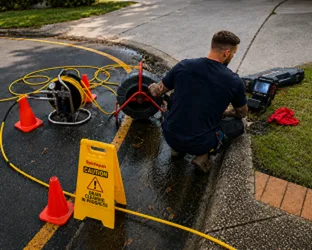
Water surfaces downhill of the failure, so we trace: acoustic gear, thermal imaging or pressure testing for concealed lines, before anything is opened up.

The failed section is cut out and replaced, not bandaged. If what we expose says the whole run is at end of life, you get that assessment straight, with numbers for both paths.

Pressure-tested against the mains before any wall, floor or trench is closed. You see it holding before we leave.
The crisis ended when the meter closed. Call now and the repair gets planned properly, not frantically.
Traced with instruments, repaired once, proven under pressure: and priced before any of it starts.

Leave your details and our local Balmain East team will call you back fast.